

Iran’s agreement with the United States has triggered strong criticism from hardline groups. They accuse President Masoud Pezeshkian and senior officials of staging a “soft coup” against the Islamic Republic.
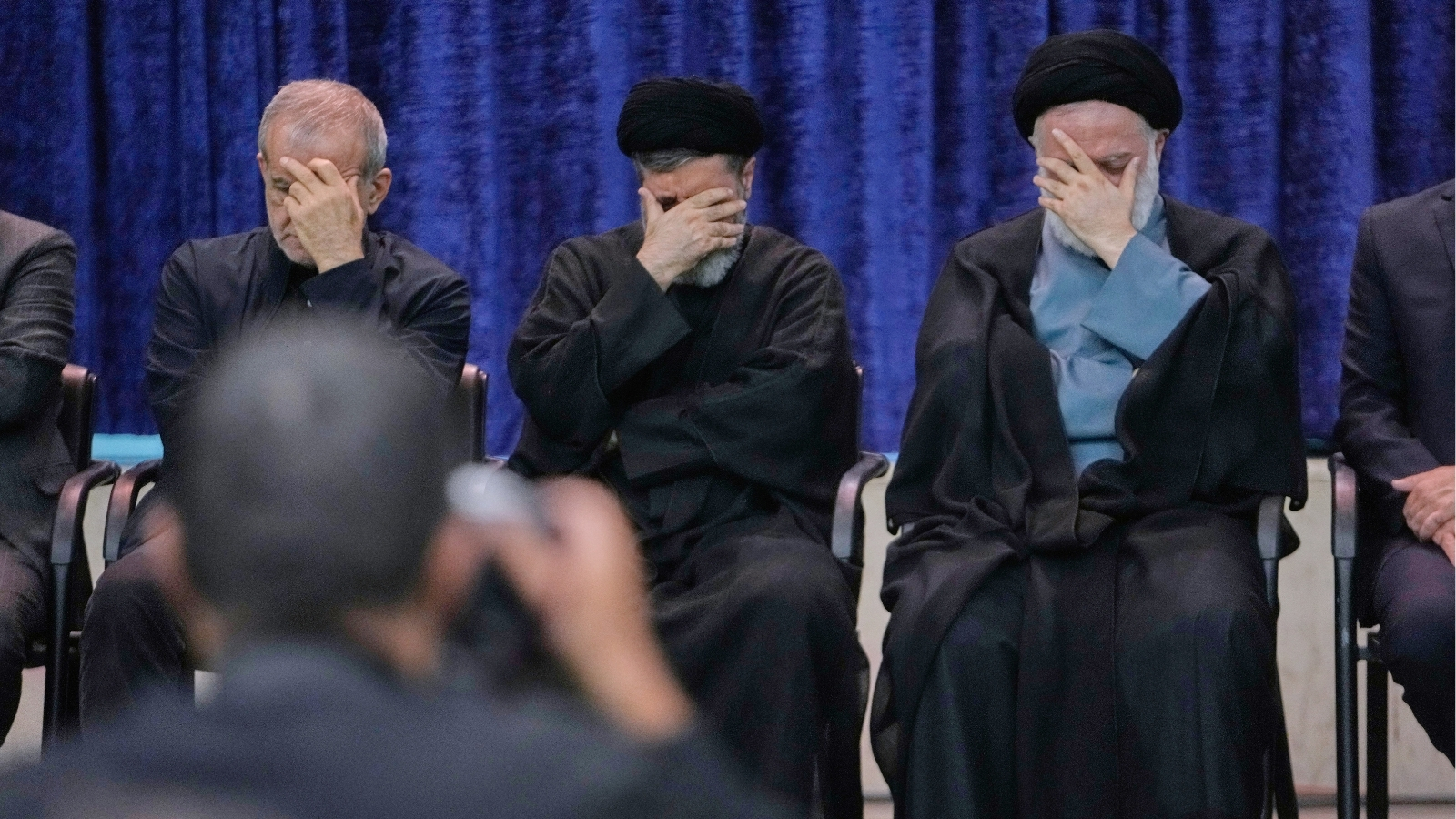
The backlash intensified after the funeral of former Supreme Leader Ali Khamenei. Some mourners reportedly called Pezeshkian a “compromiser.” Foreign Minister Abbas Araghchi also faced protests and was forced to leave after demonstrators accused him of betraying the country.
Hardliners claim the agreement goes against the wishes of Supreme Leader Mojtaba Khamenei. They argue the deal fails to secure enough sanctions relief and weakens Iran’s position over the strategic Strait of Hormuz.
Several conservative lawmakers and influential figures have demanded tougher action. They believe the government surrendered instead of defending Iran’s interests. Some have even alleged that senior leaders are trying to concentrate power by bypassing key institutions.
Government negotiators have rejected these claims. They say the agreement aims to end tensions, improve economic conditions, and eventually ease sanctions. Officials also insist the deal does not require Iran to change its long-standing position on nuclear weapons.
The political dispute highlights growing divisions within Iran’s leadership following the agreement with Washington.