

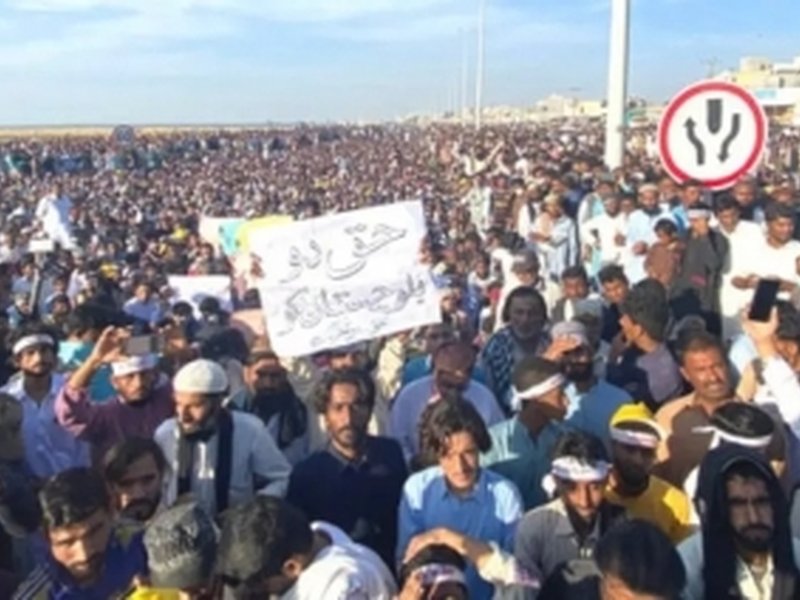
New Delhi: The relative calm restored in Pakistan-occupied Kashmir (PoK) in October is set to end after talks between the region’s Joint Awami Action Committee (JAAC) and the Pakistan government were called off, raising the likelihood of renewed and intensified protests.
Protests had erupted across PoK in September, with several organisations demanding action on development-related issues. Following unrest, the Pakistan government intervened and agreed to fulfil the demands, leading to an agreement signed on October 3. However, the JAAC has now accused the government of carrying out an “eyewash,” alleging that none of the commitments have been implemented.
The committee has refused to participate in further talks until its demands are met, signalling the resumption of protests. According to an intelligence assessment, the impending agitation is expected to be larger than the previous round, reflecting growing public frustration in the region.
The agreement had stipulated that the government and the committee would meet every 15 days to review progress. However, only three such meetings have reportedly taken place over the past three months, prompting the JAAC to accuse the government of deliberate inaction.
Among the key assurances made by the government were the removal of several committee members from Pakistan’s Exit Control List (ECL), withdrawal of FIRs against them, and resolution of issues related to refugee seats. The committee claims that none of these promises have been honoured.
The government had also constituted a committee to address refugee seat issues, but the JAAC has rejected what it calls a piecemeal approach, insisting that all outstanding issues be resolved comprehensively rather than through partial measures.
Indian officials monitoring the developments said the situation was not unexpected, noting that Pakistan’s approach towards PoK mirrors its handling of Balochistan. Residents of both regions have long accused the government and senior army officials of corruption, alleging that local resources are exploited while development is prioritised in major Pakistani cities.
Officials further warned that if grievances are not addressed urgently, the protests could intensify, and the possibility of spillover effects into India cannot be ruled out.
According to another official, real authority in PoK rests with the Pakistan Army, which has reportedly appointed several retired military officers to manage intermediaries and oversee resource extraction in the region. These officials have been accused by locals of diverting funds away from PoK, leaving the region neglected.
Allegations of large-scale corruption within the army have also surfaced, with reports suggesting internal discontent. Recently, a letter attributed to a group calling itself the Guardians of Honour accused Pakistan Army chief Field Marshal Asim Munir of incompetence, oppression and corruption.
Officials said the repeated failure of the Pakistan government to honour its commitments has eroded public trust, pushing the region towards renewed unrest. “It is only a matter of time before the situation in PoK goes beyond the control of the establishment,” one official warned.