

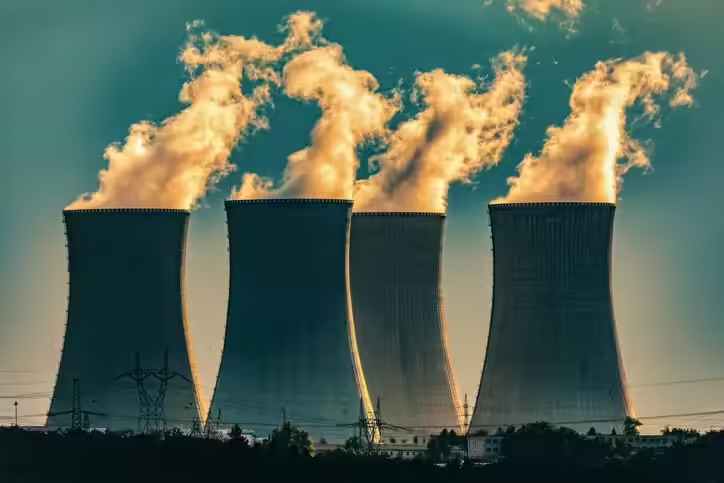
New Delhi: Bangladesh’s loss-making power sector, heavily reliant on fossil fuels, has emerged as a major contributor to environmental pollution and a significant burden on the national economy, according to local media reports.
The Bangladesh Working Group on Ecology and Development (BWGED) has presented a 13-point citizen manifesto calling for a “just transition” in the country’s energy sector. Highlighting the growing environmental impact of fossil fuel-based power plants, the group noted that such facilities account for nearly 28 per cent of Bangladesh’s air pollution, particularly through carbon emissions, a report in Bangladeshi daily The Daily Star said.
The manifesto pointed out that Bangladesh’s heavy dependence on imported fossil fuels has imposed a massive financial strain. According to BWGED estimates, the country has spent around $18.5 billion on capacity charges, while the Bangladesh Power Development Board (BPDB) has incurred losses of approximately $27.23 billion. In addition, annual fossil fuel import costs stand at about $11.72 billion, placing severe pressure on foreign exchange reserves.
Calling for a decisive shift towards renewable energy, the citizen group urged the government to gradually phase out subsidies for coal, gas, and fuel to encourage industries, businesses, and households to adopt cost-effective clean energy alternatives. It also demanded that no new coal, gas, or oil-based power plants be approved and stressed the need to ensure alternative livelihood opportunities for workers affected by the closure of existing plants.
The manifesto further opposed the approval of new LNG terminals and called for strict measures to prevent gas leakage and illegal connections. It emphasised the need for a clear, time-bound roadmap for energy transition, integrated into national and sectoral planning, along with substantial budget allocations for renewable energy. Removal of VAT and import duties on solar panels and related equipment was also proposed.
Highlighting the transport sector as one of the largest contributors to pollution, BWGED called for significant reductions in import duties and taxes on electric vehicles and zero duties on advanced batteries, including for public transport systems.
The group stressed that a “just transition” must be inclusive, benefiting women, indigenous communities, farmers, fishers, workers, and economically weaker sections. It advocated the creation of new green jobs through short-term training programmes and easy access to loans, especially for unemployed youth, women, and marginalised groups. The manifesto also opposed land acquisition for energy projects to protect agricultural livelihoods and recommended special incentives for farmers adopting renewable energy solutions.
The citizen manifesto, the report said, provides a clear roadmap for the next government to ensure a smooth transition to renewable energy, reduce financial losses, and lower Bangladesh’s carbon footprint. It urged political parties to commit to these demands, stating that such measures are essential for the country’s long-term economic stability and environmental resilience.