

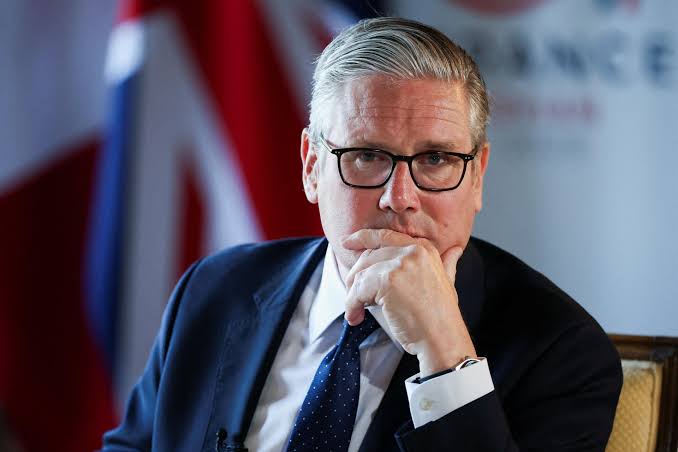
British politics witnessed a major shake-up as Prime Minister Keir Starmer resigned from both his government position and leadership of the Labour Party, just two years after securing a landslide election victory in 2024.
Starmer came to power promising change and a fresh direction for the United Kingdom after 14 years of Conservative rule. However, his administration soon faced mounting challenges. Early controversies over ministers accepting gifts and event tickets damaged public trust, while several policy decisions sparked criticism from voters and members of his own party.
Economic difficulties also played a significant role. Britain continued to struggle with the long-term effects of Brexit, including sluggish growth, inflation pressures, trade complications, and concerns over immigration. Although Starmer sought to improve relations with the European Union, he stopped short of advocating a return to the bloc, limiting his room for political maneuvering.
Domestically, Labour faced growing dissatisfaction over welfare reforms, spending cuts, and healthcare challenges. The government’s handling of key issues led to falling approval ratings and increasing divisions within the party.
At the same time, political rivals gained momentum. Reform UK, led by Nigel Farage, expanded its support base, while the Green Party attracted progressive voters disappointed with Labour’s direction. Poor results in local elections further weakened Starmer’s position and intensified calls for new leadership.
Despite achieving some foreign policy successes, including trade agreements and efforts to strengthen international partnerships, Starmer struggled to convince voters that his government had delivered the change it promised.
His resignation marks a significant turning point for British politics, raising questions about Labour’s future leadership and the direction the country will take as it approaches the next general election.