

Israel’s latest election has left Prime Minister Benjamin Netanyahu facing an uncertain political future, with neither major bloc securing enough seats to form a government.
Netanyahu’s Likud-led alliance won 53 seats in the 120-member Knesset, falling eight short of the 61 required for a majority. The opposition bloc led by Gadi Eisenkot secured 48 seats, while Arab-led parties won 19 seats, potentially making them crucial to government formation.
Three major possibilities have emerged: an opposition government backed by Arab parties, a unity government involving Netanyahu and Eisenkot, or Netanyahu attracting lawmakers from rival groups. If negotiations fail, Israel could head for fresh elections next year.
President Isaac Herzog will oversee the government formation process, giving political leaders opportunities to secure the required support.
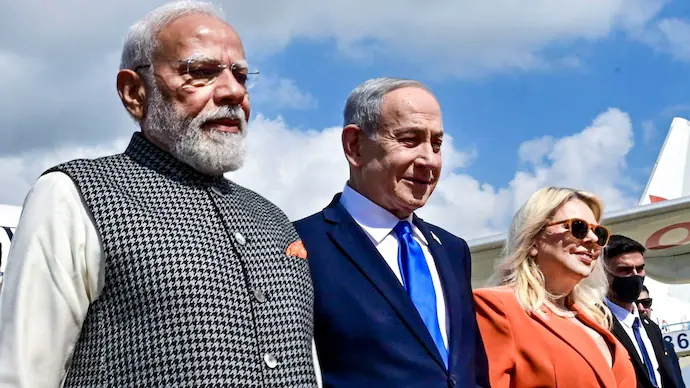
The election outcome also raises questions about India’s relationship with Israel. Under Netanyahu and Prime Minister Narendra Modi, both countries have strengthened cooperation in defence, cybersecurity, artificial intelligence, agriculture, space and trade.
Although a leadership change could bring adjustments in foreign policy, India’s strategic partnership with Israel is expected to remain important. Defence cooperation, technology sharing and joint production are likely to remain key areas of engagement.