

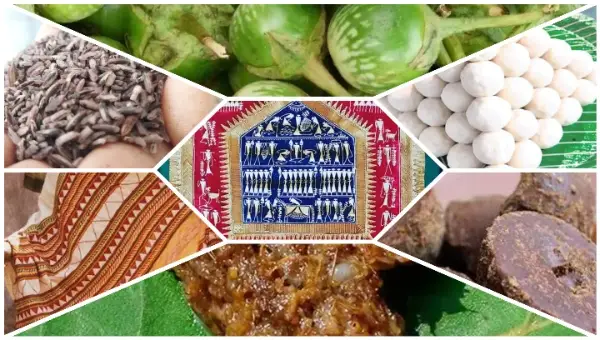
New Delhi/Bhubaneswar: Koraput Member of Parliament Saptagiri Sankar Ulaka on Friday raised a demand in the Lok Sabha seeking Geographical Indication (GI) tag recognition for several of Odisha’s iconic culinary and tribal products. Speaking under Rule 377, Ulaka highlighted the cultural value and livelihood potential of these traditional items and urged the Union Government to take steps for their formal intellectual property protection.
In his submission titled “Need for GI Tag Recognition for Odisha’s Iconic Culinary & Tribal Heritage,” Ulaka said Odisha’s rich food traditions, deeply rooted in community practices and indigenous knowledge systems, have survived for generations without adequate legal safeguards.
He specifically mentioned Chhenagaja, one of the state’s most celebrated sweets, stating that its unique texture and taste are the result of age-old craftsmanship. GI recognition, he noted, would help protect its authenticity from imitation and commercial misuse.
The MP also referred to Dahibara Aloodum, Cuttack’s famous street delicacy, describing it as an emotional and cultural symbol for the people of Odisha. A GI tag, he said, would ensure preservation of its traditional preparation methods.
Ulaka further sought GI status for Sara Papudi, a rural sweet, and Sarsatia, a rare tribal delicacy made using forest produce. He emphasized that both items are closely linked to indigenous traditions and forest-based livelihoods, making them culturally and economically significant.
Highlighting Chhena Jhilli of Nimapada, known for its melt-in-the-mouth flavour, he said the sweet deserves formal recognition to prevent commercial dilution. He also described Pakhala Bhata as the “soul food of Odisha,” stressing that GI recognition would safeguard its cultural ownership and traditional identity.
Making a strong case for Koraput Coffee, organically grown by tribal farmers in the Eastern Ghats, Ulaka said the product has already gained global attention. GI tagging, he argued, would help ensure better income for tribal cultivators while improving branding and market access.
“These are not merely food items but living legacies of communities, artisans, and tribal farmers,” Ulaka said, urging the Centre to initiate a time-bound GI facilitation process. He also called for institutional support for local producer groups and tribal cooperatives so they can directly benefit from GI recognition.
Ulaka concluded that granting GI tags to Odisha’s iconic foods and tribal products would protect authenticity, strengthen livelihoods, and enhance the state’s cultural identity at the national level.