

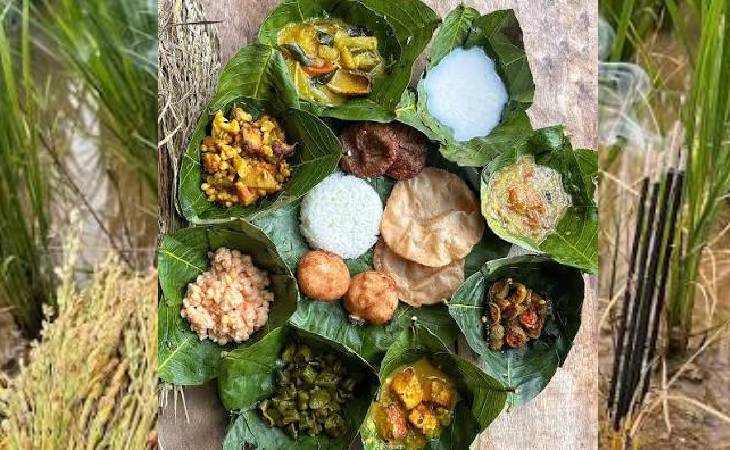
Bhubaneswar: Nuakhai is one of western Odisha’s most cherished harvest festivals, celebrating the arrival of the season’s first rice. The tradition is simple yet deeply meaningful: the new grain is first offered to the village deity before families consume it.
The name comes from two words—“nua”, meaning new, and “khai”, meaning eat. But the festival represents more than food. It is an expression of gratitude for nature, farming, and the harvest.
The organised tradition of Nuakhai is often linked to Raja Ramai Deo of the Chauhan dynasty in Patnagarh and is believed to have roots dating back to the 12th century. Over time, the festival spread across neighbouring regions with cultural ties to western Odisha.
Village rituals remain central to the celebration. In several communities, sacred spaces exist beneath old trees rather than inside formal temples. The traditional village priest, known as the Jhankar, performs the ceremony and offers the first grain to the deity.
Only after the ritual do families prepare the new rice at home. The first serving is treated as prasad, with family members coming together to share it.
Nuakhai ultimately celebrates gratitude, community and the enduring bond between people, agriculture and nature.