

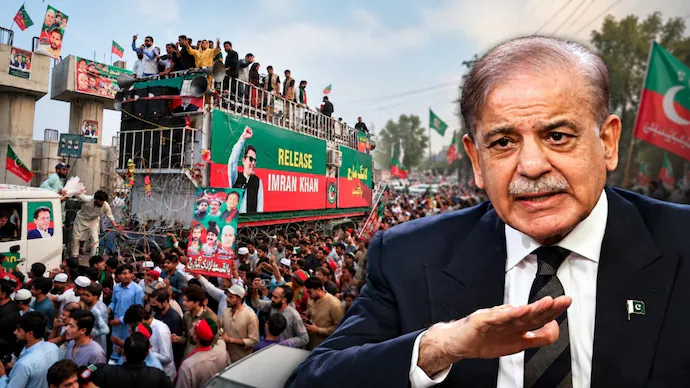
Pakistan’s federal government has imposed emergency rule in Khyber Pakhtunkhwa (KP), ending Imran Khan’s Pakistan Tehreek-e-Insaf (PTI) party’s control over its last remaining provincial government.
President Asif Ali Zardari approved the decision under Articles 232 and 234 of Pakistan’s Constitution. The government cited worsening terrorism and concerns over constitutional governance in the province, which borders Afghanistan and has witnessed repeated militant attacks.
The move came as PTI prepared a protest march towards Islamabad, demanding the release of its jailed founder, Imran Khan. KP Governor Faisal Karim Kundi warned demonstrators against breaking the law, promising a strict response.
PTI leaders strongly criticised the decision, describing it as an undemocratic attack on the province’s electoral mandate. The party also alleged that Chief Minister Sohail Afridi and other leaders were detained following the announcement.
The federal government accused the PTI administration of failing to tackle militancy, while the opposition maintained that the emergency undermines provincial autonomy and could worsen political instability.
Pakistan’s Human Rights Commission also expressed concern over the potential impact on democracy.
The decision is expected to face further scrutiny as Parliament considers the constitutional requirements for continuing emergency rule. The development has intensified tensions between Islamabad and the PTI amid Pakistan’s ongoing security challenges.